GENNARO TOMMA
is a freelance journalist who covers science, with a focus on the natural world and its biodiversity, conservation, biology, climate change, policies related to science and the environment — and everything else in the science realm that catches his eye.His work has appeared in National Geographic, The New York Times, Scientific American, BBC, Science, New Scientist and other outlets.He holds a bachelor degree in Film and TV Production at Nord University, Norway.

ARCHIVE
An archive of all the stories I wrote. Click on the box to read them!
2026
Scientific American: The fight to save endangered species may have a new weapon: sex-changing mouse clones
Scientific American: This dolphin terrifies fish until they puke—and then eat it
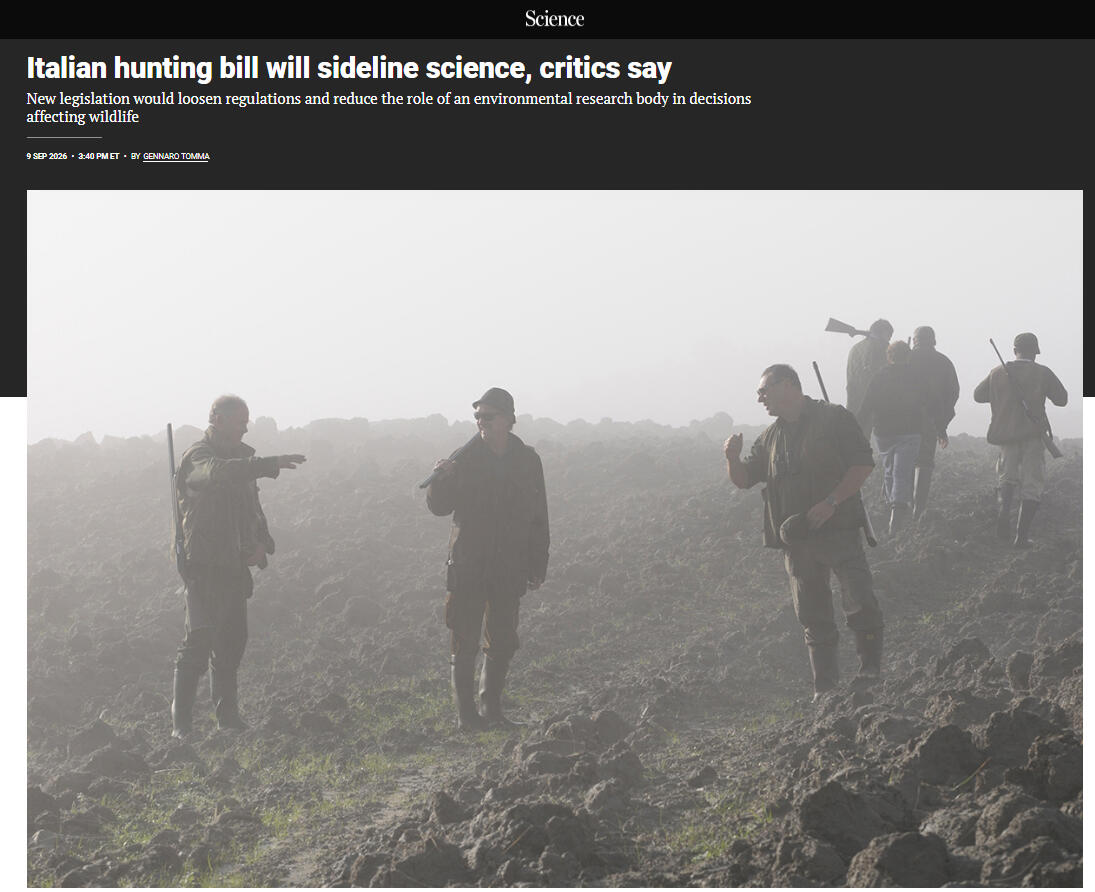
Science: Italian hunting bill will sideline science, critics say
Scientific American: Scientists just unleashed an army of 130,000 baby octopuses to fight off a blue crab invasion
Audubon Magazine: Rare Footage Shows Woodcock Hens Fending Off an Unlikely Nest Intruder: Deer
Scientific American: How living near mountain lions might actually make you safer
Scientific American: These whales are the only ones that flip upside down. Now we know why
National Geographic: What an ape’s laugh can teach us about human language
Science: This scientist is rethinking how to put GPS collars on wildlife
New Scientist: Wolves seen hunting European bison in rare camera-trap recording
Science News: This tiny, blue octopus is new to science
National Geographic: This scientist made a clone of a clone of a clone of a clone
Biographic: Nearly Half of Italy’s Wolves Are Part Dog Now. Is That a Problem?
Scientific American: Here's what happens when you give salmon cocaine
National Geographic: These animals have evolved to escape certain death
Science News: For gray whales, San Francisco Bay is becoming a deadly pit stop
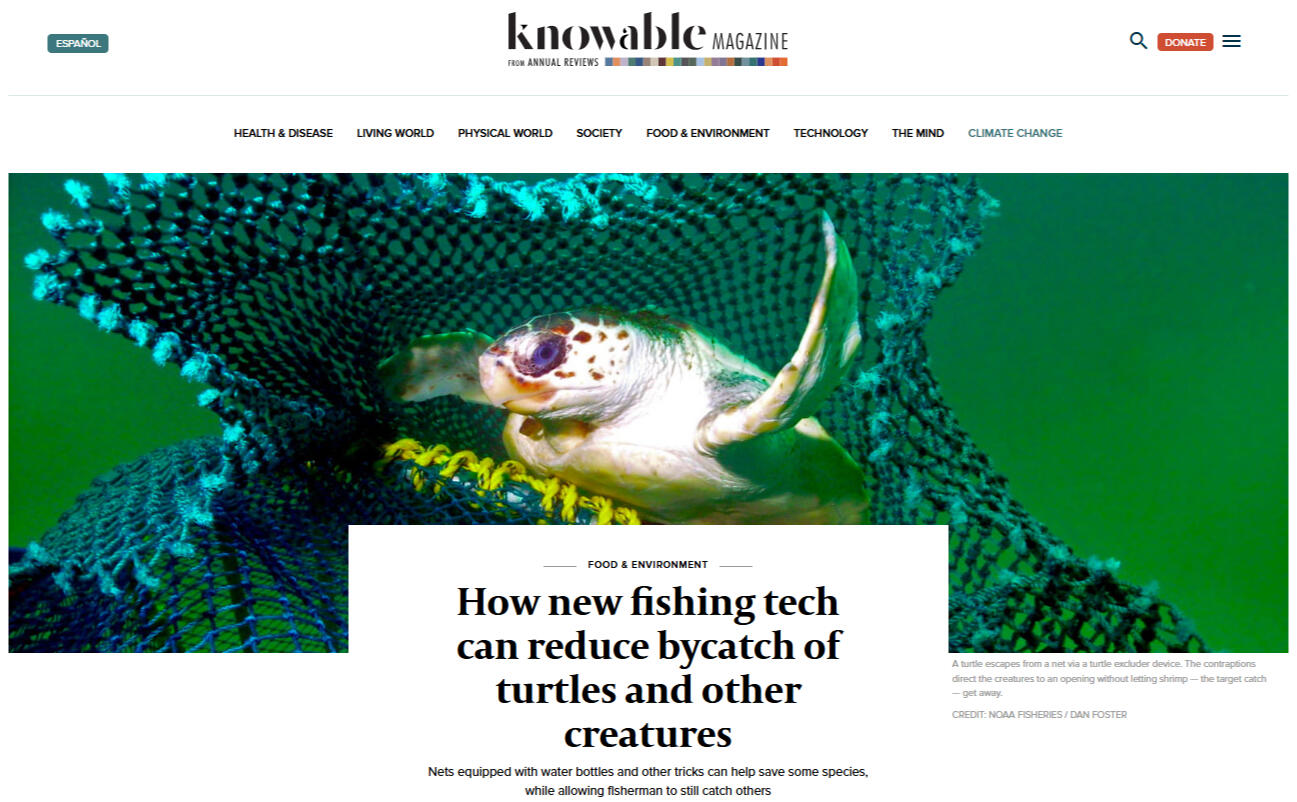
Knowable Magazine: How new fishing tech can reduce bycatch of turtles and other creatures
Scientific American: These fish can tell when you’re staring
National Geographic: The surprising ways air pollution alters insects' lives
National Geographic: Is CBD good for your dog?
Scientific American: These spiders weave themselves giant doppelgängers to scare away predators
Text
2025
Science News: In a first, orcas and dolphins seen possibly hunting together
Scientific American: In a First, Photos Show Moths Sipping a Moose’s Tears
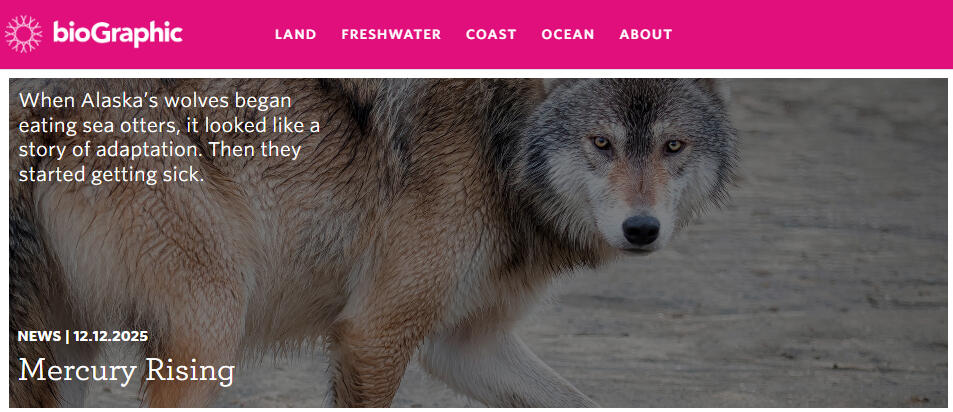
Biographic: Mercury Rising
National Geographic: Scientists put sharks in a tank full of toys. What they saw surprised them.
Science News: Rats are snatching bats out of the air and eating them
National Geographic: Watch orcas team up to hunt great white sharks in rare video
National Geographic: Invading queen ant tricks workers into killing their mother
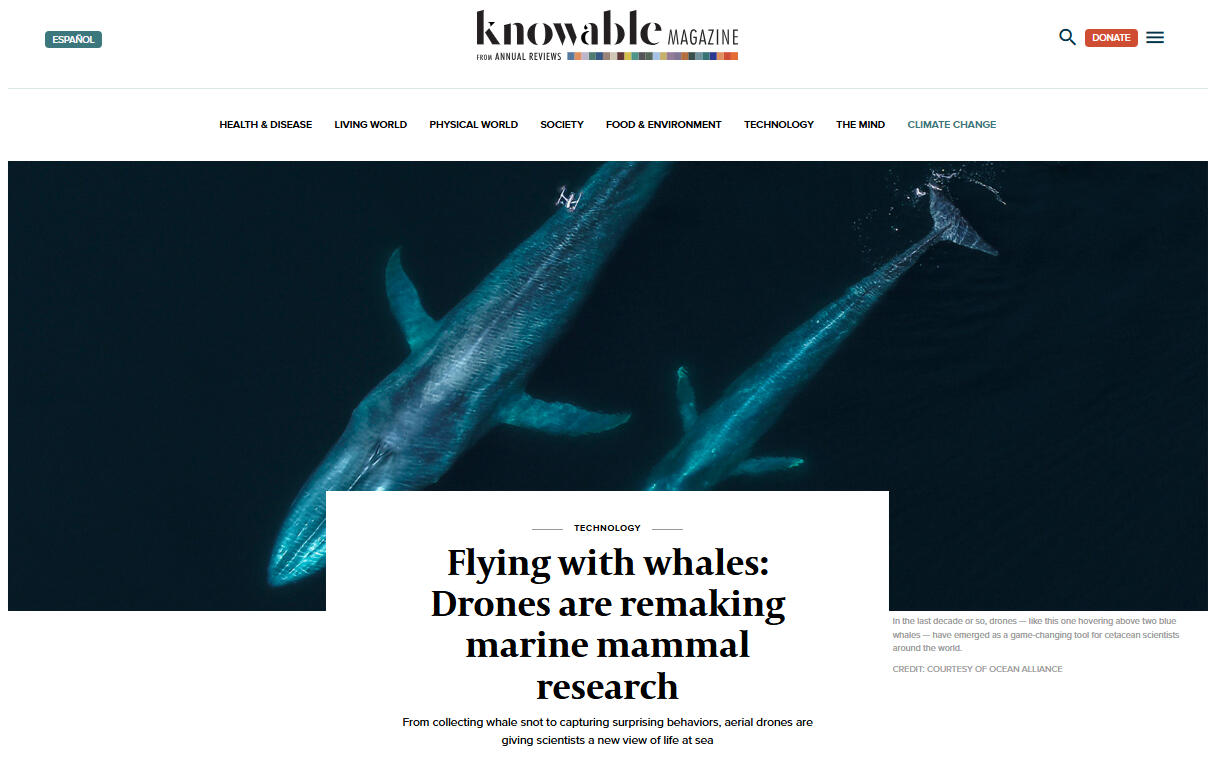
Knowable Magazine: Flying with whales: Drones are remaking marine mammal research
Science News: Polar bears provide millions of kilograms of food for other Arctic species
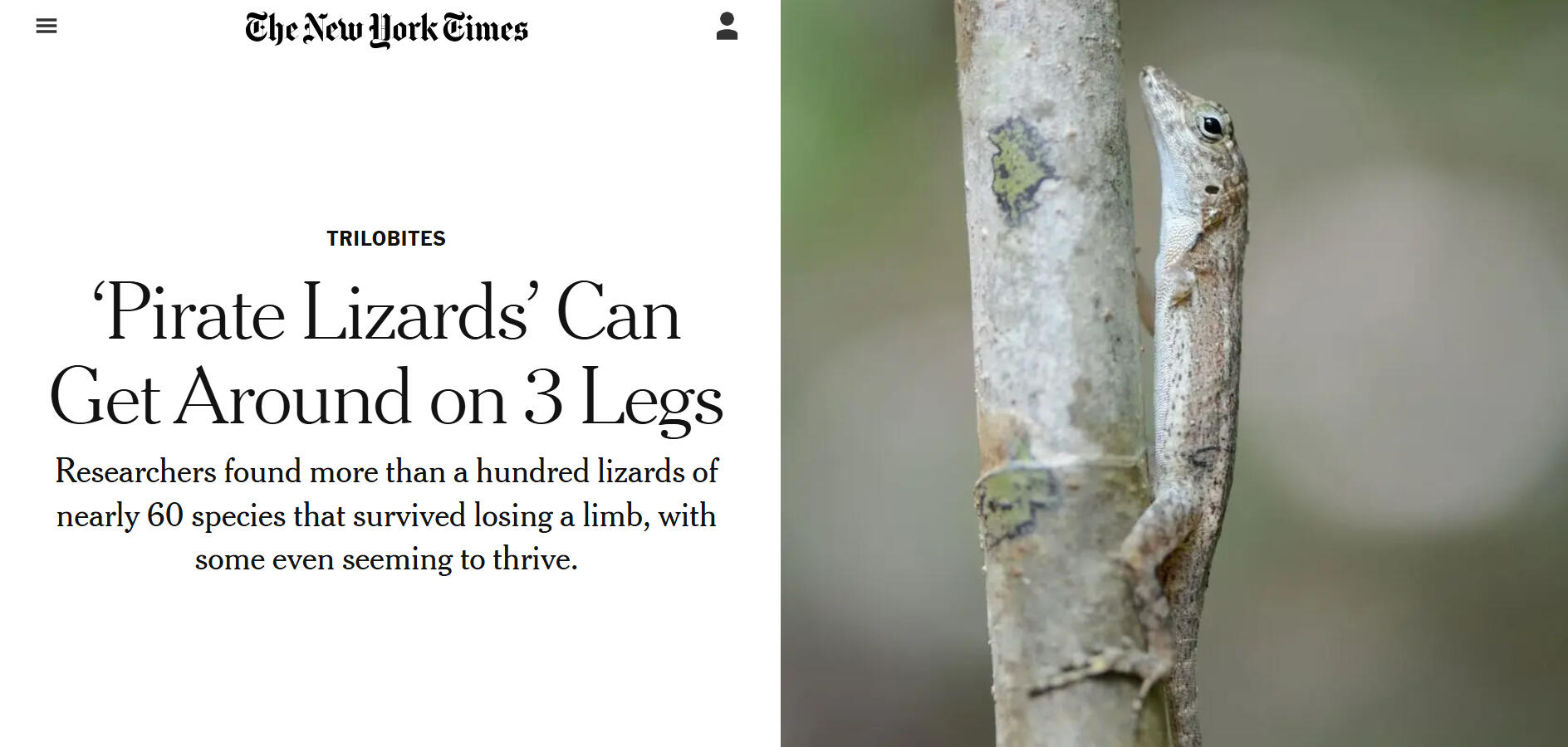
The New York Times: ‘Pirate Lizards’ Can Get Around on 3 Legs
National Geographic: Your dog really might be addicted to that toy
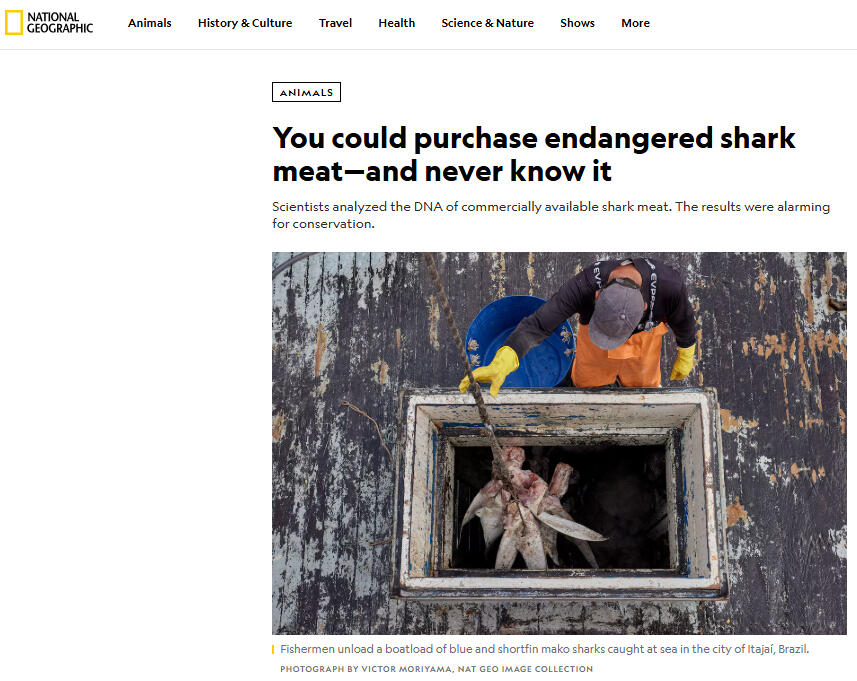
National Geographic: You could purchase endangered shark meat—and never know it
Science: Have half of wildebeests in the Serengeti disappeared?
Scientific American: Freaky ‘Rubber Hand’ Illusion Works on Octopuses, Too
Scientific American: These Spiders Puke Up Toxic Digestive Fluid to Marinate Their Prey Alive
Science News Explores: These fish yawn — and it’s contagious
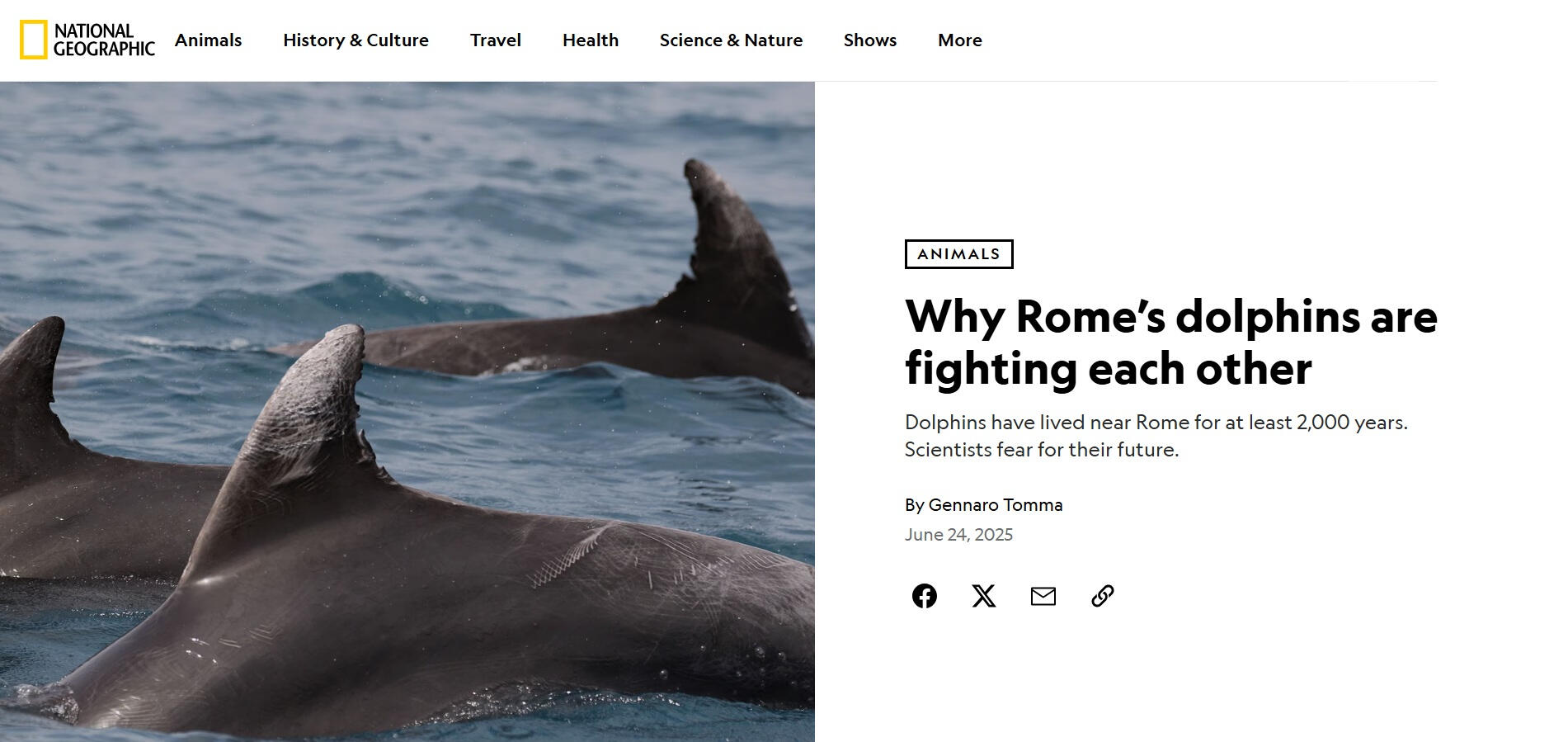
National Geographic: Why Rome’s dolphins are fighting each other
National Geographic: The surprisingly relatable reason why some birds get cranky
Science: Watch a tower of worms wriggle like a single organism
The New York Times: These Plants Protect Larvae From Wildfires
National Geographic: Can humans really smell insects? The truth about the viral debate
Science: Nanoparticle gel could help save degraded coral reefs
Scientific American: Ancient Poems Reveal the History of the Endangered Yangtze Porpoise
The New York Times: Ronan the Sea Lion Is Probably Better Than You at Keeping a Beat
New Scientist: Bats that walk backwards have developed unusual navigation strategy
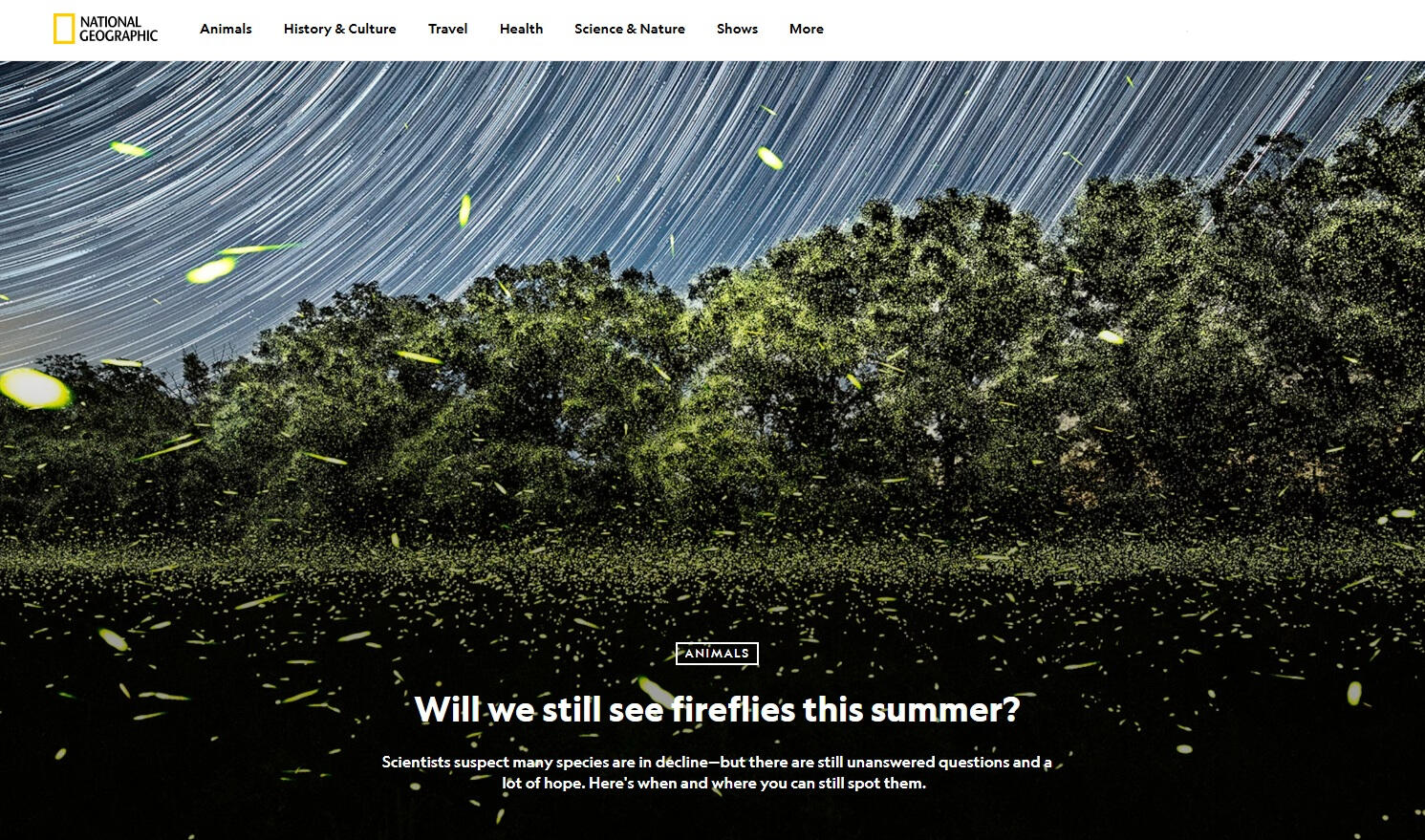
National Geographic: Will we still see fireflies this summer?
Scientific American: Dolphins Communicate with ‘Fountains of Pee’
Science: Four decades ago, this insect built its protective shell from human garbage
National Geographic: Why do birds sing so loudly in the morning in spring? It’s the ‘dawn chorus’
Science: This tiny, newborn caterpillar buzzes to defend its territory
Scientific American: Why These Tropical Trees Love a Lightning Strike
Science News: You might be reading your dog’s moods wrong
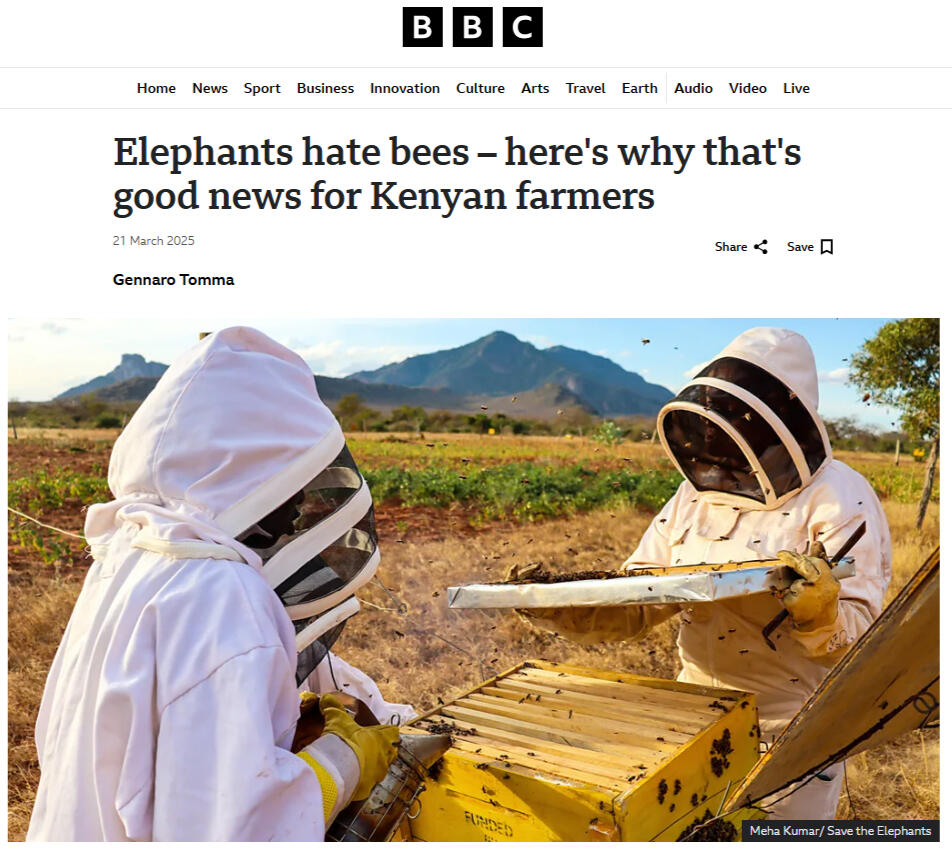
BBC: Elephants hate bees – here's how that helps humans
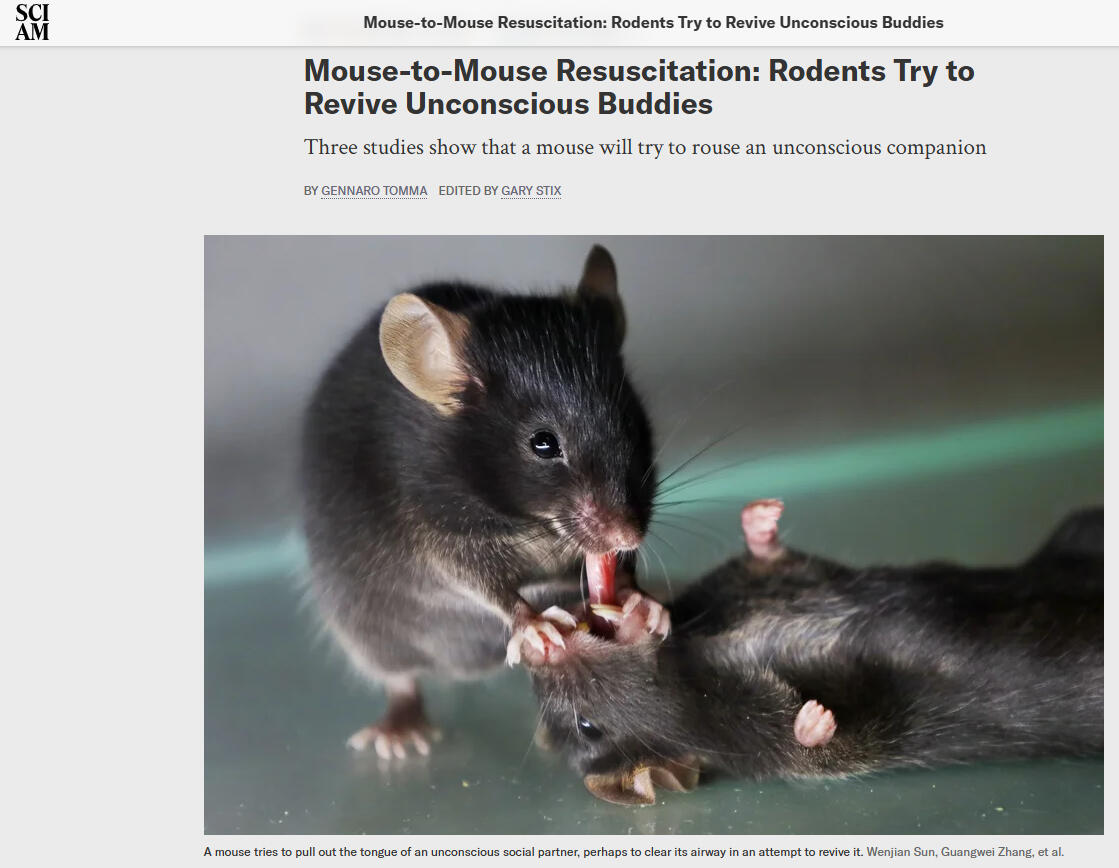
Scientific American: Mouse-to-Mouse Resuscitation: Rodents Try to Revive Unconscious Buddies
National Geographic: These fish can spot their favorite divers (the ones with snacks)—here's how
Scientific American: These Dogs Can Sniff Out Invasive Species before It’s Too Late
Science: Watch a fish hunt by hiding behind a shark
Science News: Some sea turtles are laying eggs earlier in response to climate change
Science: Plastic waste in bird nests can act like a tiny time capsule
Science: Scientists capture rare footage of baby polar bears emerging from dens
Science News: The butts of these blowfly larvae mimic termite faces
Science: Tiny tunnels bored by forest beetles could help fan wildfire flames
Science News: In chimpanzees, peeing is contagious
2024
The New York Times: When They Hear Plants Crying, Moths Make a Decision
Science News: For adult chimps, playing may be more important than previously thought
New Scientist: A giant hornet from Asia has appeared in Europe for the first time
Science News: For deep-diving whales, plastic garbage may ‘sound’ like food
Scientific American: These Bird Nests Show Signs of an Architectural ‘Culture’
Science News: How tiny phytoplankton trek long distances upward in the ocean
New Scientist: Seven newly named frog species make whistles that sound like Star Trek
Science News: Dolphins’ open-mouth behaviors during play are like smiles, a study claims
The New York Times: You Can Stand Under My Umbrella, if You’re an Egg-Laying Locust
Hakai Magazine: The Australian Oyster Reef Revival
Science: In the dark ocean, these tiny creatures can smell their way home
Scientific American: Caterpillars Sense Hungry Wasps’ Electrical Field
Science: X-ray video reveals eel’s daring escape from predator’s stomach
Science News: Bumblebees lose most of their sense of smell after heat waves
National Geographic: Spiders may lure male fireflies to their death with a call of love
Science News: Scientists want to send endangered species’ cells to the moon
Scientific American: Honeybees Wing-Slap Ants That Try to Invade Their Hive
Science: Giant Australian lizards may help protect sheep from deadly fly-borne diseases
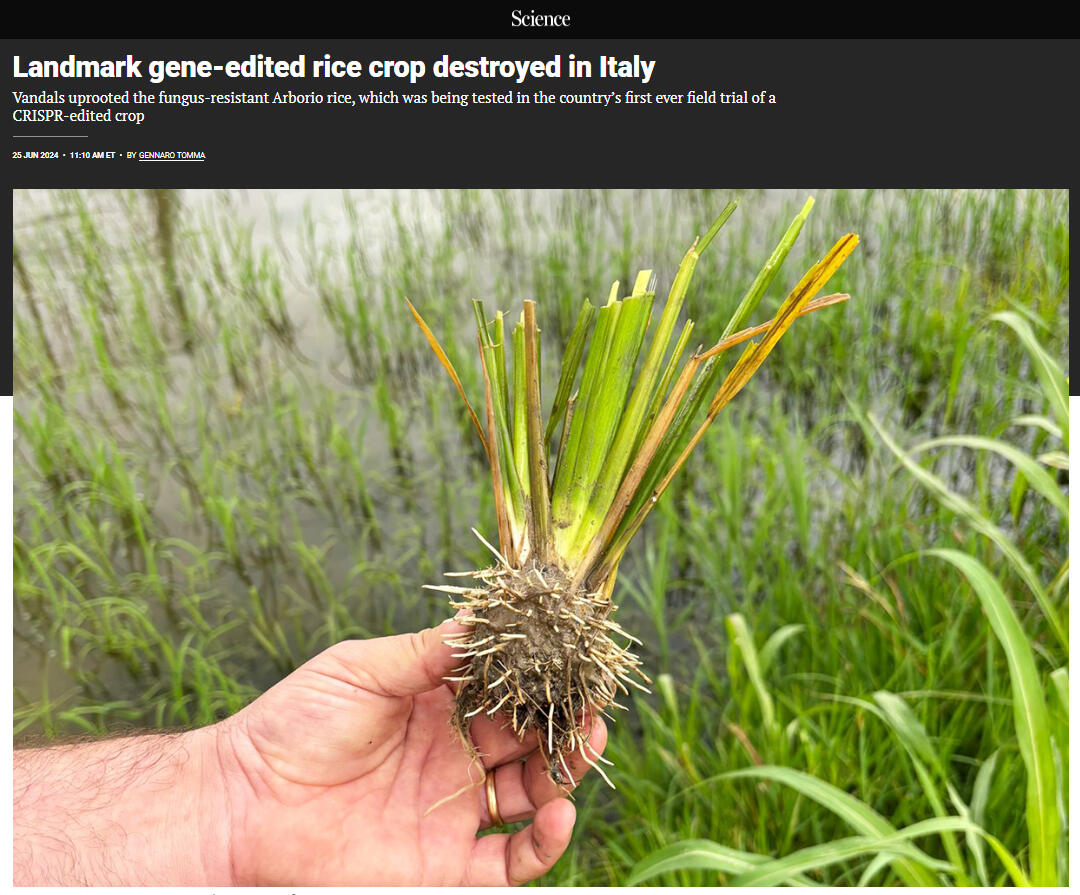
Science: Landmark gene-edited rice crop destroyed in Italy
Scientific American: These Bloodsucking Leeches Jump like Striking Cobras
Audubon Magazine: Woodcocks don't let migration mess with their sex lives
Scientific American: Releasing Baby Cane Toads Teaches Predators to Avoid Toxic Adults
Science: Meet the smallest animal known to spread seeds with its poop
Science: Grizzly bears were pillaging farms. Could a canine keep them away?
New Scientist: Male and female spiders pair up to look like a flower
Science: Rat poison threatens Italy’s growing wolf population
Live Science: Why some whales go through menopause
Science: Plan to allow wolf hunting in Europe to spare livestock could backfire, some scientists say
2023
New Scientist: Shipwrecks are havens for wildlife in areas threatened by fishing
New Scientist: Vegan cheese made from fermented peas could taste more like dairy
New Scientist: Killing of rare Italian bear raises fears for future of its subspecies
New Scientist: Birds from two different species raise chicks together in one nest
STORIES
A selection of some of the stories I wrote. Click on the box to read them!

I am open to work opportunities, commissions or even just a chat. Feel free to send me an email or a message on my socials!
Get in contact at:
gennarotomma48@gmail.com